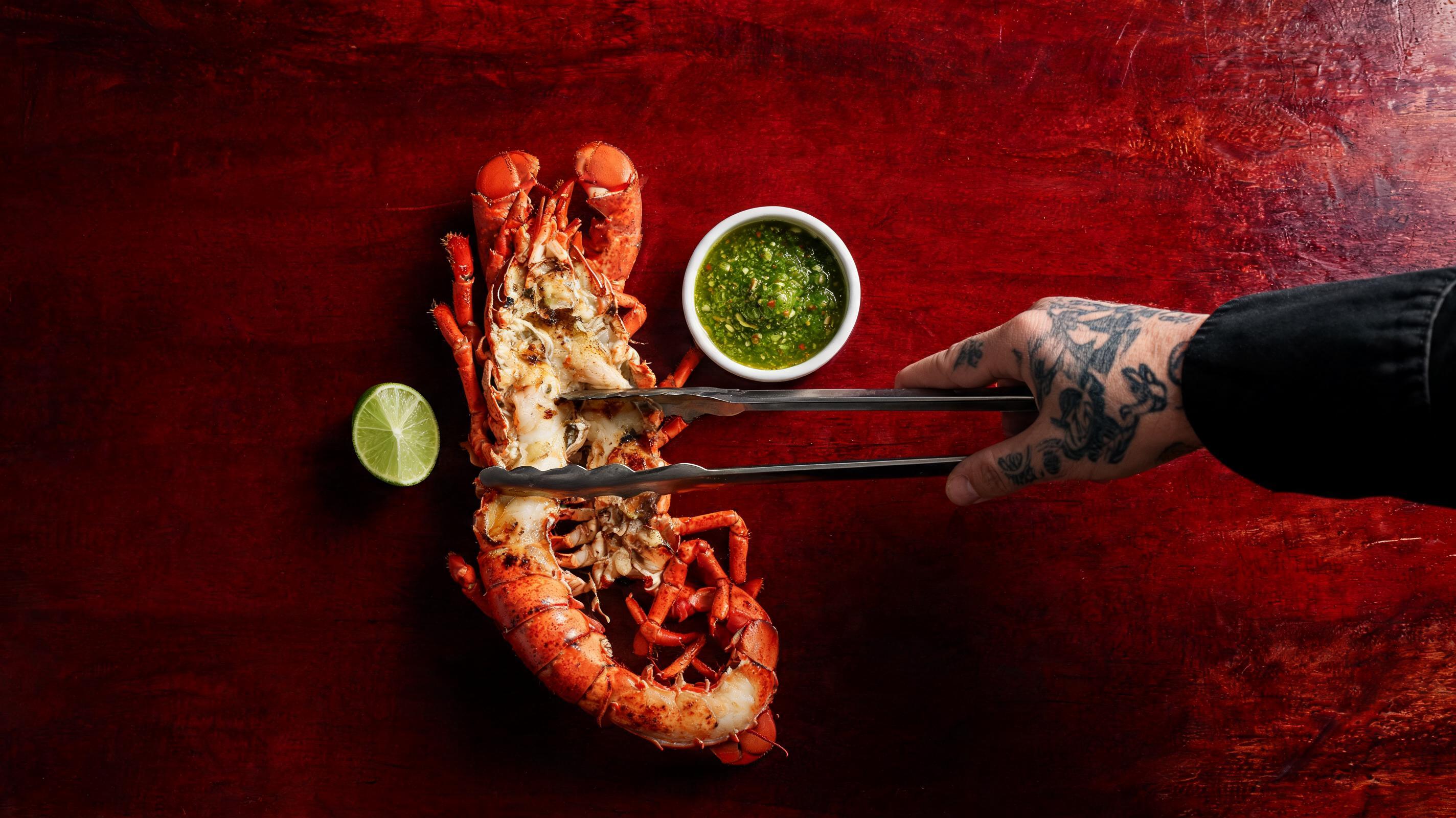
The best lobster in Bangkok in 2026 splits into three styles: hotel fine dining led by VIU (The St. Regis Bangkok) at 4.8/5 from 948 Tripadvisor reviews, casual Western spots like Burger & Lobster Gaysorn Village, and Japanese premium seafood at Taraba Prime on Sukhumvit Soi 20 (5-minute walk from BTS Asok), where lobster and live Taraba king crab swim in the tank until you order.
- VIU (The St. Regis Bangkok) tops Tripadvisor's Bangkok lobster ranking with 4.8/5 from 948 reviews (Tripadvisor, September 2026); Amaya Food Gallery at Amari Bangkok scores 4.9/5.
- Sukhumvit Soi 20 is Bangkok's most concentrated street for lobster, hosting two dedicated specialists: LOBS Lobster Brunch & Bistro (open daily, 11AM–12PM) and Taraba Prime.
- Taraba Prime flies in live Taraba king crab and sushi-grade seafood from Japan daily, serving it as sashimi, steak, or nabe hot pot.
- Live-tank lobster in Bangkok is priced by weight — confirm the rate per 100 grams and total weight before the kitchen starts cooking.
- Book Taraba Prime by phone at 094-456-1124 or LINE @tarabaprime; the menu comes in Thai, English, and Japanese.
Updated September 2026 with the latest Tripadvisor scores and restaurant details.
The Best Lobster in Bangkok 2026: Quick Answer
The best lobster in Bangkok in 2026 ranges from VIU's fine-dining seafood at The St. Regis Bangkok (4.8/5 from 948 Tripadvisor reviews) to Sukhumvit Soi 20 specialists like Taraba Prime, a Japanese seafood restaurant serving live-tank lobster and live Taraba king crab flown in from Japan daily, a 5-minute walk from BTS Asok.
Which one wins depends on the night you want. A white-tablecloth hotel dinner. A two-hands-required lobster roll. Or a Japanese-style feast where you point at your lobster in the tank and watch it weighed. Bangkok delivers all three — often within one BTS stop of each other.
Top picks at a glance
Bangkok's top lobster picks for 2026 cover five restaurants across three styles — hotel fine dining, casual Western, and Japanese premium seafood — and each earns its place for a different reason:
- VIU (The St. Regis Bangkok) — fine-dining seafood, 4.8/5 from 948 Tripadvisor reviews (September 2026).
- Amaya Food Gallery at Amari Bangkok — buffet-style seafood spreads, rated 4.9/5 on Tripadvisor.
- Burger & Lobster Gaysorn Village — American-diner energy, famous for lobster rolls.
- LOBS Lobster Brunch & Bistro — casual lobster brunch on Sukhumvit Soi 20, open daily 11AM–12PM.
- Taraba Prime — Japanese premium seafood on Sukhumvit Soi 20, built around live-tank lobster and live Taraba king crab.
How this guide is different from Tripadvisor lists
Tripadvisor's lobster rankings show which Bangkok restaurants diners rate highly, but they omit what travelers actually worry about: real prices, how weight-based billing works, and whether "fresh" lobster is genuinely live or thawed from frozen. This guide covers those gaps with a comparison table, a freshness checklist, and a transparent price breakdown.
You'll also get the practical layer review sites skip: walking directions from BTS Asok, which restaurants have English menus, and how to book via LINE without a Thai phone number.
Bangkok's Top Lobster Restaurants Compared (2026)
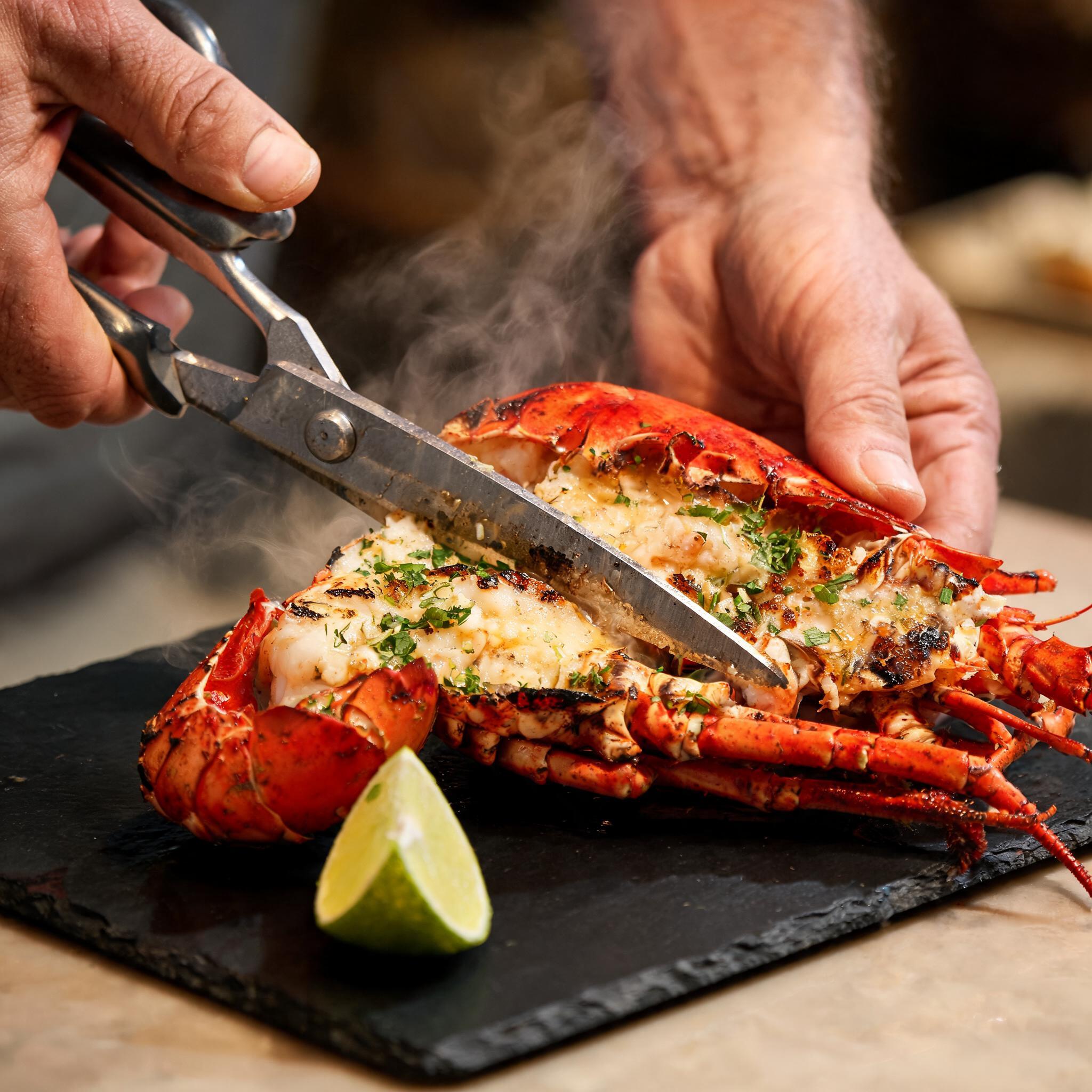
Bangkok's top lobster restaurants in 2026 fall into three camps: hotel fine dining (VIU, Amaya Food Gallery at Amari Bangkok, Blue by Alain Ducasse), Western casual (Burger & Lobster Gaysorn Village, LOBS Lobster Brunch & Bistro), and Japanese premium seafood (Taraba Prime on Sukhumvit Soi 20) — each differing sharply in price per head, sourcing, and BTS access.
| Restaurant | Style | Price per head | Location / BTS |
|---|---|---|---|
| VIU (The St. Regis Bangkok) | Fine-dining seafood, 4.8/5 | ||
| Amaya Food Gallery (Amari Bangkok) | Hotel buffet, 4.9/5 | ||
| Blue by Alain Ducasse | French fine dining | ||
| Burger & Lobster / LOBS | Casual Western, lobster rolls | Gaysorn Village / Sukhumvit Soi 20 | |
| Taraba Prime | Japanese seafood, live tank | Sukhumvit Soi 20, 5 min from BTS Asok |
Fine-dining hotels: VIU, Amaya, Blue by Alain Ducasse
VIU at The St. Regis Bangkok leads Tripadvisor's Bangkok lobster ranking with 4.8/5 from 948 reviews (September 2026), while Amaya Food Gallery at Amari Bangkok scores 4.9/5 for its buffet format. Blue by Alain Ducasse rounds out the fine-dining tier with French technique applied to premium seafood.
The upside: polished service, wine pairings, skyline settings. The trade-off: lobster usually arrives as a set-menu item, so you never see the animal before it's cooked — and you can't verify whether it was live that morning.
Casual Western: Burger & Lobster and LOBS
Burger & Lobster Gaysorn Village runs an American-diner menu built around lobster rolls and whole grilled lobster, while LOBS Lobster Brunch & Bistro on Sukhumvit Soi 20 serves a relaxed lobster brunch daily from 11AM to 12PM. Both suit a fun, no-dress-code meal with fixed per-dish prices.
The style here is Western through and through — butter, brioche, fries. Great for a casual splurge. If you want sashimi-grade delicacy or the tank-to-table experience, this isn't the lane.
Japanese premium seafood: Taraba Prime
Taraba Prime is the only restaurant in this comparison built around live-tank Japanese seafood: live Taraba king crab, live lobster, and sushi-grade fish flown in from Japan daily, served on Sukhumvit Soi 20 just 5 minutes on foot from BTS Asok, with a trilingual TH/EN/JP menu designed for foreign visitors.
You pick your crab or lobster from the tank, watch it weighed, confirm the price in baht, then choose the preparation. For anyone whose biggest fear is paying premium prices for frozen product, that transparency is the whole point.
Live vs Frozen Lobster: How to Tell You're Getting the Real Thing
Live-tank lobster is lobster kept in an in-house saltwater tank and cooked to order after you choose it, giving firm, sweet meat. Frozen lobster loses moisture and texture during thawing, turning soft and comparatively bland. Verify freshness by asking to see the tank, checking tail movement, and having the lobster weighed in front of you.
This matters for your wallet, too. Live product costs more to import and keep alive — — so "fresh lobster" at a suspiciously low price usually means thawed stock.
4-point freshness checklist before you order
A lobster freshness check in Bangkok takes under two minutes: see the live tank, watch the animal move, have it weighed in front of you, and confirm the per-weight price before cooking. These four steps catch nearly every "fresh" claim that isn't:
- Ask to see the live tank. A restaurant serving genuinely live lobster will happily walk you to it. "The tank is in the back kitchen" is a red flag.
- Watch for movement. A healthy live lobster curls its tail and moves its antennae when lifted. A limp animal has been dead or dying for hours.
- Have it weighed in front of you. Staff should place your chosen lobster or live Taraba king crab on a scale at the tank — not disappear with it.
- Confirm the price before cooking. Hear the rate per 100 grams and the total in baht before the kitchen starts. Once it's cooked, the bill is locked.
Lobster species in Bangkok: Canadian lobster vs Ise-ebi (Japanese spiny lobster) vs rock lobster
Bangkok restaurants serve three main lobster types: Canadian lobster, a clawed species with dense, sweet meat suited to Western dishes; Ise-ebi (Japanese spiny lobster), a clawless species with delicate tail meat prized for sashimi; and rock lobster, a budget-friendlier spiny lobster common in Thai-Chinese seafood restaurants.
- Canadian lobster — big claws, rich meat; the classic pick for rolls, grills, and thermidor.
- Ise-ebi (Japanese spiny lobster) — firmer, more refined tail; best raw or lightly grilled to keep its natural sweetness.
- Rock lobster — slightly coarser meat at a friendlier price; fine for stir-fries, wasted on sashimi.
Rule of thumb: butter-and-brioche dishes call for Canadian lobster; Japanese-style dining calls for Ise-ebi.
Japanese-Style Lobster & Live King Crab on Sukhumvit Soi 20: Taraba Prime
Taraba Prime is a premium Japanese seafood restaurant on Sukhumvit Soi 20, a 5-minute walk from BTS Asok, specializing in live Taraba king crab served as sashimi, steak, or nabe hot pot, alongside fresh lobster and sushi-grade seafood flown in from Japan daily.
Here's the gap in every "best lobster in Bangkok" list on the web: the entire conversation is Western — rolls, brunches, buffets. Japanese-style live seafood, where the animal goes from tank to plate in minutes, barely appears. Taraba Prime fills exactly that space.
Live Taraba king crab three ways: sashimi, steak, nabe
Taraba king crab is the giant king crab species the Japanese call "taraba," ranked among the most premium seafood in Japanese cuisine. At Taraba Prime, live Taraba king crab comes in three preparations — sashimi, steak, and nabe hot pot — priced by live weight and confirmed at the tank before cooking.
- Sashimi — raw leg meat, only possible with a crab alive minutes earlier; silky, faintly sweet-briny.
- Steak — legs grilled or seared so the meat firms up and the shell perfumes everything with smoke.
- Nabe hot pot — crab simmered in dashi until the broth becomes a course of its own.
Many tables order one crab done all three ways. Current pricing: — see the full live Taraba king crab menu (sashimi, steak, nabe) before you book.
Fresh lobster the Japanese way
Japanese-style lobster at Taraba Prime means minimal intervention: lobster sashimi, a charcoal-kissed tail, or lobster added to nabe — timed precisely so the meat stays sweet and springy rather than buried under butter and cheese.
The advantage over Western preparations is that you actually taste the species. The difference between Canadian lobster and Ise-ebi (Japanese spiny lobster) is obvious when neither hides under sauce. The honest trade-off: if you're craving a messy, buttery roll, LOBS down the same soi will serve you better.
Why daily flights from Japan matter for freshness
Daily air freight from Japan means the uni, otoro, and live seafood at Taraba Prime arrive on that day's flight from Japanese markets — the same supply rhythm top sushi counters in Tokyo depend on, and the reason its sashimi grade holds up.
The practical difference is simple. Seafood shipped weekly or held frozen can't honestly be served as sashimi at this level. When a restaurant's whole business model depends on daily arrivals, the freshness claim is structural — not a marketing line.
Beyond Lobster: A5 Miyazaki Wagyu, Premium Sushi & Omakase Near BTS Asok
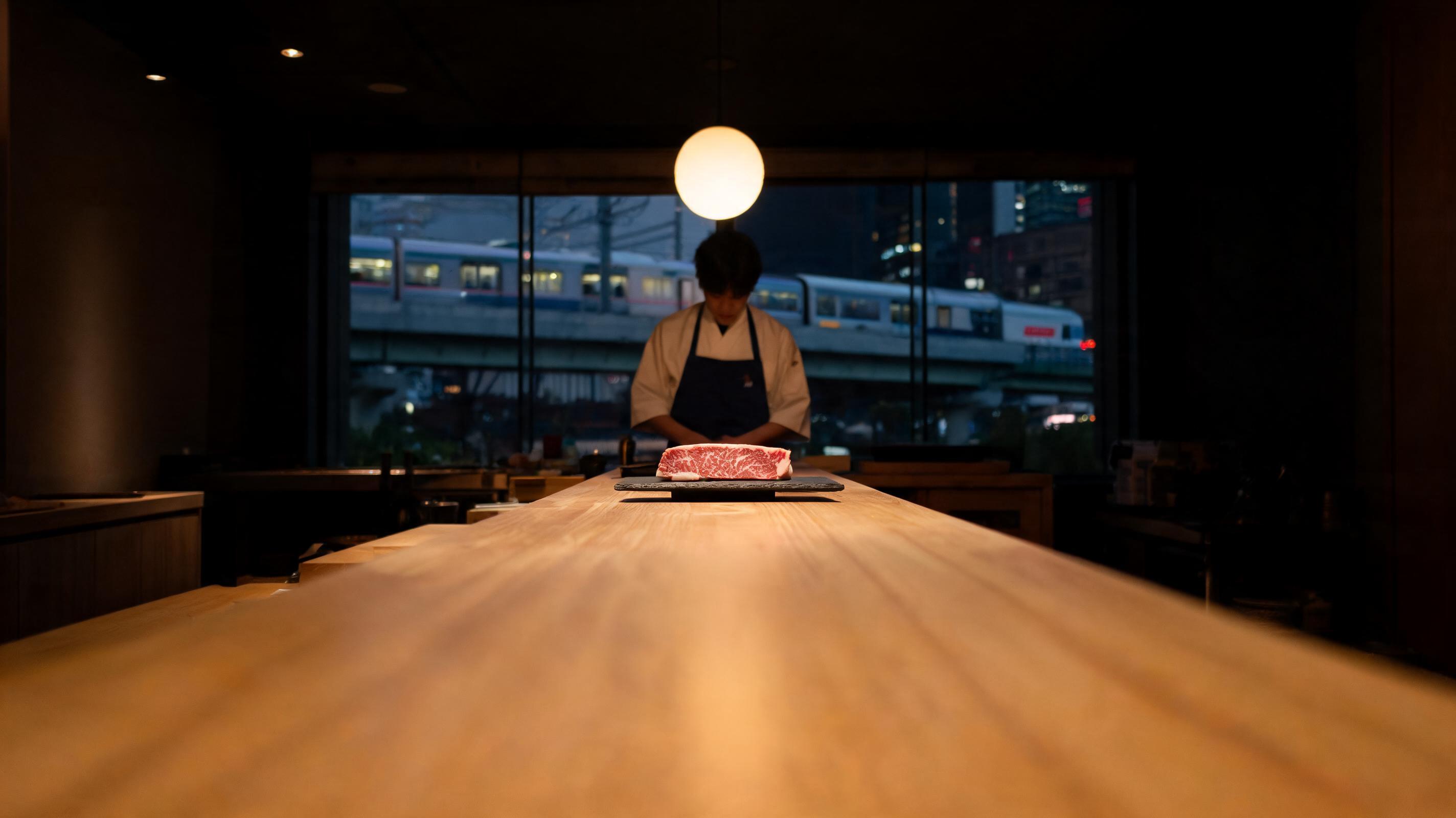
A5 Miyazaki wagyu, premium sushi, and omakase-style dining all sit within a 5-minute walk of BTS Asok at Taraba Prime, where diners pair Miyazaki A5 wagyu with uni, otoro, dry-aged sushi sets, foie gras unagi don, and chirashi — plus live Taraba king crab — in a single sitting.
No page currently ranking for Bangkok lobster covers this combination, yet it's how travelers actually eat: one special night, one booking, surf and turf done properly. That's the case for premium omakase-style dining near BTS Asok instead of splitting the evening across two restaurants.
What makes Miyazaki A5 wagyu different (grain-fed, marbling grade)
Miyazaki A5 wagyu is beef from Miyazaki Prefecture, Japan, graded A5 — the highest rating in Japan's system, judged on marbling density, meat color, and texture. The cattle are grain-fed for extended periods, building fine intramuscular fat that melts near body temperature.
That's why a small portion cut of Miyazaki A5 ribeye or sirloin satisfies in a way a large Western steak doesn't. The richness is the point, not the volume.
How to order A5 wagyu doneness: why chefs recommend rare-to-medium over medium well
Miyazaki A5 wagyu is best ordered rare to medium, because the marbling that earned the A5 grade melts and renders away at higher temperatures. A medium-well A5 steak loses most of the fat you paid the premium for, leaving expensive but ordinary beef.
Chefs at Taraba Prime sear A5 sirloin slowly to render the surface fat while keeping the center soft and glossy. If you normally eat steak medium well, treat A5 as a different dish entirely: small slices, quick sear, eaten hot off the plate.
Sukiyaki & shabu-shabu vs seared steak: which suits A5
Both hot-pot styles and searing suit A5 Miyazaki wagyu, but they deliver different experiences: sukiyaki and shabu-shabu cook paper-thin slices in seconds so the marbling melts into the broth, while seared steak concentrates flavor through caramelization and showcases the fat's full texture.
A practical rule: order sukiyaki or shabu-shabu when the table wants a slower, communal course alongside seafood — thin-sliced A5 pairs beautifully with a king crab nabe. Order seared steak when you want A5 as the headline dish.
Best sushi on Sukhumvit 20: uni, otoro and dry-aged sets
The best sushi on Sukhumvit Soi 20 comes from Taraba Prime, whose counter works with uni (sea urchin), otoro (fatty tuna belly), dry-aged sushi sets, and chirashi — all built on seafood flown in from Japan daily, alongside the restaurant's signature live king crab and lobster.
Dry-aging is the detail worth noticing. Resting select fish for days concentrates flavor and softens texture — a technique borrowed from high-end Tokyo counters that few Bangkok restaurants attempt. Browse the Miyazaki A5 wagyu and dry-aged sushi sets to see how the two signatures combine.
Building a surf-and-turf omakase night near BTS Asok
Omakase is a Japanese dining format where the chef selects and sequences the menu from the day's best ingredients, so you don't order dish by dish. At Taraba Prime near BTS Asok, an omakase-style night typically opens with uni and otoro sushi, moves through live Taraba king crab, and closes with Miyazaki A5 wagyu.
The format suits first-timers who don't want to navigate an unfamiliar menu. Budget from as a starting point, with the final bill depending on the live seafood you add by weight.
Lobster & King Crab Price Guide: What You'll Actually Pay in Bangkok
Lobster and king crab prices in Bangkok are usually set by live weight, so the final bill depends on the size you pick from the tank. Confirm the price per 100 grams and the total weight before the kitchen starts cooking — this single habit prevents almost every bill-shock story travelers share online.
| Item | How it's priced | Typical price (2026) |
|---|---|---|
| Live lobster at Taraba Prime | Per 100 g, live weight | |
| Live Taraba king crab at Taraba Prime | Per 100 g / per crab | |
| Lobster roll (Burger & Lobster / LOBS) | Fixed price per dish | |
| Combo: king crab + wagyu + sushi | Per head estimate |
How weight-based pricing works
Weight-based pricing means the menu lists a rate per 100 grams, and your cost is that rate multiplied by your chosen animal's live weight. A larger crab isn't a hidden upcharge — it's simply more crab — but you should always see the scale yourself. The process runs in four steps:
- Staff bring you to the tank; you choose your lobster or live Taraba king crab.
- The animal is weighed on a scale in front of you.
- Staff quote the total in baht (rate × weight); you confirm before anything is cooked.
- You choose the preparation — sashimi, steak, nabe, or a split across all three.
Warning: if a restaurant refuses to quote the total before cooking, or "forgets" the weighing step, walk away. Legitimate live-tank restaurants treat the scale as part of the show.
Sample budgets: casual lobster roll vs premium Japanese seafood dinner
A casual lobster meal at Burger & Lobster Gaysorn Village or LOBS Lobster Brunch & Bistro runs on fixed per-dish prices — simpler, cheaper, predictable. A premium Japanese seafood dinner at Taraba Prime scales with what you order from the tank, so the range is wider but fully in your control.
For a special-occasion dinner combining live Taraba king crab, Miyazaki A5 wagyu, and a sushi course, plan around per person. That sits inside the 2,000–10,000 baht per-head range most visitors set aside for one standout meal in Bangkok.
Common Mistakes to Avoid When Ordering Lobster in Bangkok
The most common mistakes when ordering lobster in Bangkok are trusting "fresh" claims without seeing a live tank, skipping price confirmation before cooking, ordering the wrong species for the dish, booking nothing at small specialists where live stock sells out, and cooking Miyazaki A5 wagyu to medium well.
Mistakes #1–3: freshness and pricing traps
- Believing "fresh" without seeing the tank. On menus across Bangkok, "fresh lobster" often means thawed-that-morning. A genuine live-tank restaurant shows you the animal moving before you commit — no tank, no premium price.
- Not confirming the price before cooking. Weight-based pricing is fair only when the rate per 100 grams and total weight are stated up front. Never let the kitchen start until you've heard the number in baht.
- Ordering the wrong species for the dish. Canadian lobster suits butter-rich Western dishes; Ise-ebi (Japanese spiny lobster) shines raw or lightly grilled. Spiny lobster thermidor wastes the premium you're paying.
Mistakes #4–5: booking and doneness errors
- Skipping the reservation. Specialist restaurants stock a finite number of live animals per day, and live Taraba king crab can sell out on busy evenings —. Booking ahead reserves your crab, not just your table.
- Ordering A5 wagyu medium well. Miyazaki A5 wagyu cooked to medium well renders away the marbling that earned the A5 grade. Trust the chef's rare-to-medium recommendation, even if that's not how you usually eat steak.
Planning Your Visit: Getting to Sukhumvit Soi 20 from BTS Asok
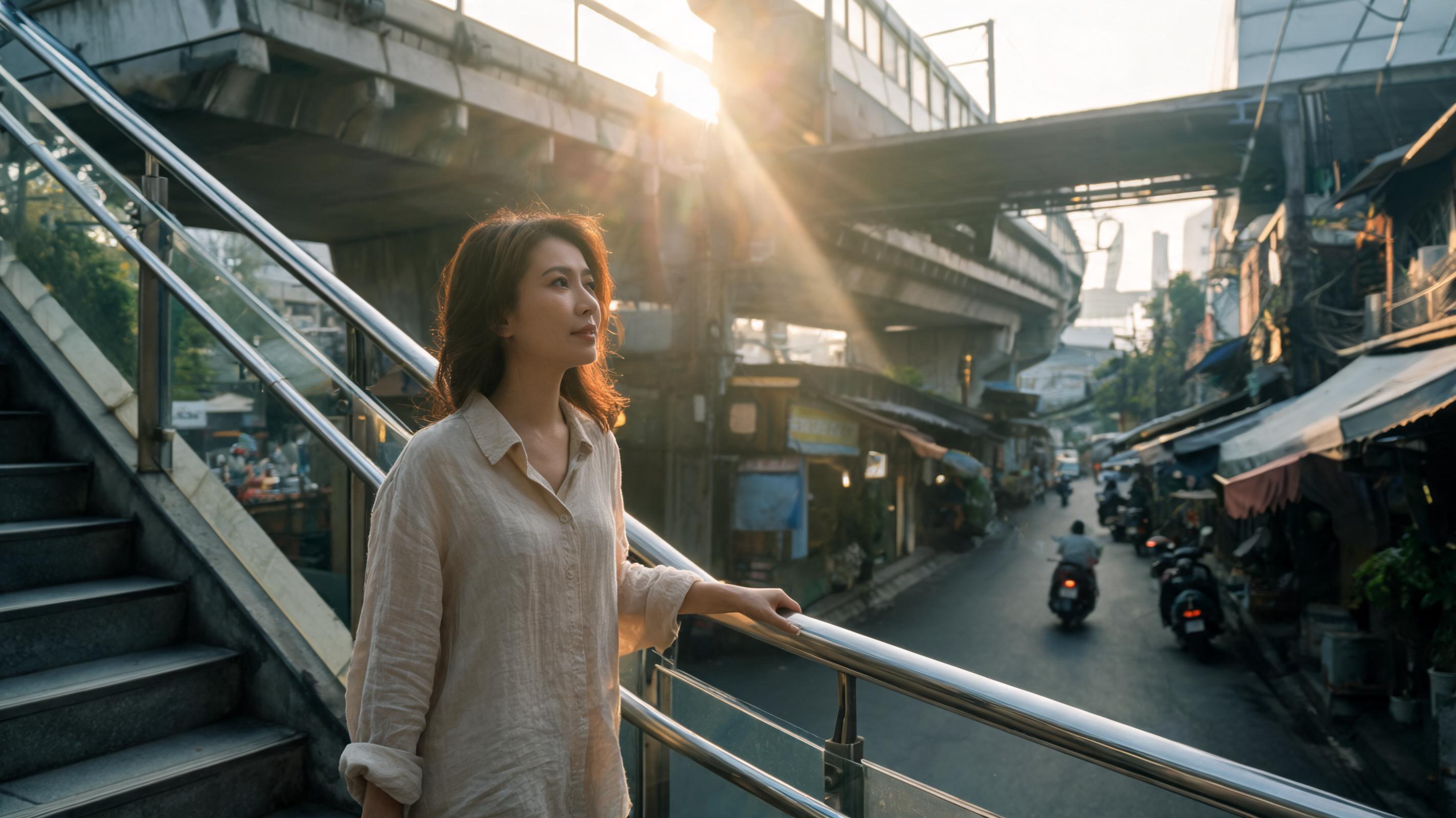
Sukhumvit Soi 20 sits a 5-minute walk from BTS Asok and the connected MRT Sukhumvit station, making Taraba Prime one of central Bangkok's most accessible high-end Japanese restaurants for foreign visitors — with a trilingual TH/EN/JP menu and reservations by phone at 094-456-1124 or via LINE @tarabaprime.
Step-by-step directions from BTS Asok / MRT Sukhumvit
- Take the BTS Sukhumvit Line to Asok station, or the MRT Blue Line to Sukhumvit station — the two connect directly.
- Exit toward Sukhumvit Road () and walk along the even-numbered side.
- Turn into Sukhumvit Soi 20. The walk from the station takes about 5 minutes at a normal pace.
- Follow the soi to Taraba Prime — you'll pass LOBS Lobster Brunch & Bistro on the way, proof that Soi 20 is Bangkok's lobster street.
Full walking notes: how to get to Taraba Prime on Sukhumvit Soi 20.
How to reserve via LINE @tarabaprime (for tourists without a Thai number)
Reserving Taraba Prime via LINE works without a Thai phone number, which makes it the easiest booking channel for visitors: add the official account @tarabaprime, message your date, time, and party size in English, and staff confirm in English — usually the same day.
- Open the LINE app, search for the official account @tarabaprime, and tap "Add".
- Send your date, time, and party size in English.
- Want live Taraba king crab or a specific lobster size? Say so — the restaurant can hold live stock for you.
- No LINE? Call 094-456-1124 directly, or ask your hotel concierge in the Asok area to call.
Tip: it takes 2 minutes to reserve a table via LINE @tarabaprime. Do it before you leave your hotel — weekend evenings are when live stock runs lowest.
What foreign visitors should know: menu language, payment, timing
Foreign visitors at Taraba Prime get a menu in Thai, English, and Japanese, staff experienced at explaining weight-based pricing to first-timers, and a live tank that makes ordering visual rather than linguistic. — arriving early in the evening gives the widest choice of live animals.
Dress code is — no jacket required, though the setting suits a special-occasion outfit more than beachwear. If your trip allows only one splurge dinner near Sukhumvit, a surf-and-turf night here covers lobster, live king crab, sushi, and Miyazaki A5 wagyu in a single booking.
Frequently Asked Questions
Where can I eat live king crab in Bangkok?
Live Taraba king crab in Bangkok is served at Taraba Prime on Sukhumvit Soi 20, a 5-minute walk from BTS Asok. The crabs are kept live in-house, flown in from Japan daily, and prepared as sashimi, steak, or nabe hot pot — with weight and price confirmed at the tank before cooking.
What is the best lobster restaurant in Bangkok in 2026?
The best lobster restaurant in Bangkok depends on style: VIU at The St. Regis leads Tripadvisor fine dining with 4.8/5 from 948 reviews (September 2026); Taraba Prime on Sukhumvit Soi 20 is the standout for Japanese-style live lobster and king crab; Burger & Lobster Gaysorn Village and LOBS cover casual lobster rolls.
How much does live lobster cost in Bangkok?
Live lobster in Bangkok is priced by weight, typically quoted per 100 grams before cooking, so the final bill depends on the size you choose from the tank. Always confirm the weight and total in baht before the kitchen begins.
Is there good sushi on Sukhumvit Soi 20?
Sukhumvit Soi 20 has premium sushi at Taraba Prime, which serves uni, otoro, dry-aged sushi sets, and chirashi made from seafood flown in from Japan daily. The same kitchen serves its signature live Taraba king crab and lobster, so one booking covers both cravings in a single dinner.
Should I order Miyazaki A5 wagyu medium well?
No — Miyazaki A5 wagyu is best served rare to medium so its fine marbling melts without drying out; medium well renders away most of the fat that defines the A5 grade. Chefs at premium Japanese restaurants like Taraba Prime typically sear it slowly to keep the fat intact.
Do I need a reservation at Taraba Prime?
Reservations at Taraba Prime are strongly recommended, especially for live Taraba king crab and lobster, which depend on each day's live stock. Book by phone at 094-456-1124 or via LINE @tarabaprime; the menu is available in Thai, English, and Japanese, so booking in English is no problem.
What is the difference between lobster and Taraba king crab?
Lobster is a clawed or spiny crustacean with sweet, dense tail meat, while Taraba king crab offers long legs of delicate, briny meat prized in Japanese cuisine for sashimi and nabe. Both taste best cooked from live, are priced by weight, and can be ordered side by side at Taraba Prime.