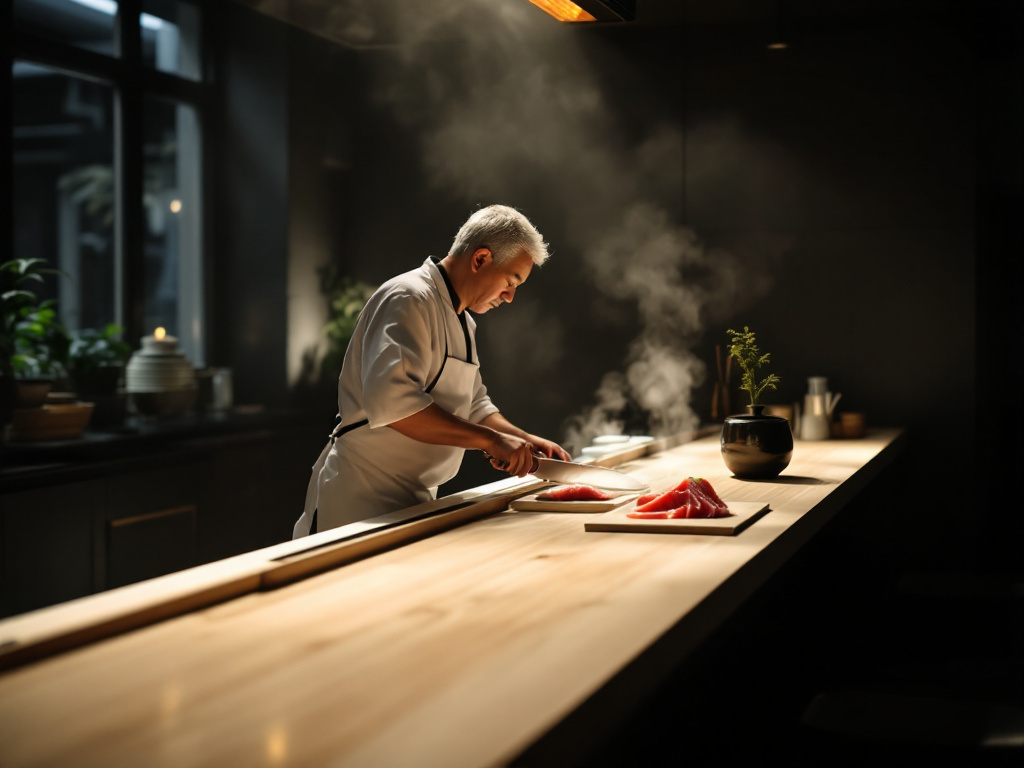
Premium omakase in Bangkok in 2026 costs roughly THB 3,000 to over THB 10,000 per person, and the best experiences are built on seafood flown in from Japan — not on decor. Taraba Prime on Sukhumvit Soi 20, a 5-minute walk from BTS Asok, serves live Taraba king crab, Miyazaki A5 wagyu, and omakase-style premium seafood with a Thai/English/Japanese menu, making it one of the most accessible high-end Japanese options for foreign visitors. (Guide updated for 2026 prices.)
- 2026 price benchmark: Tenko Omakase's 16-course premium menu is THB 7,500 net per person; most premium counters in Bangkok fall between THB 3,000 and 10,000+.
- Live Taraba king crab at Taraba Prime is served three ways from one crab — leg sashimi, grilled steak, and nabe hot pot — a format no Bangkok listicle currently covers.
- Miyazaki A5 wagyu should be slow-seared or ordered as sukiyaki/shabu shabu; forcing well-done steak melts out the marbling you paid for.
- Location: Sukhumvit Soi 20 is a 5-minute walk from BTS Asok, at Bangkok's only BTS–MRT interchange, surrounded by major hotels.
- Booking: call 094-456-1124 or message LINE @tarabaprime; booking 1–3 days ahead is recommended for dinner and live crab.
Best Premium Omakase in Bangkok 2026: What Actually Counts as Premium
Premium omakase in Bangkok means a chef-curated multi-course Japanese meal built on ingredients flown in from Japan, typically priced from THB 3,000 to over THB 10,000 per person in 2026. The defining markers are Japan-direct sourcing, a chef who changes the menu daily, and — for visitors — a central location such as Sukhumvit near BTS Asok.
Omakase is a Japanese dining format where the guest entrusts the chef to select and serve the best ingredients of that day as a progression of individual courses, usually 12–20 pieces served one by one at the counter. That trust is the product — which is exactly why sourcing matters more than anything else on this list.
One practical problem this guide solves: most search results for premium omakase Bangkok are Thai-only listicles or roundups with pre-2020 prices. Foreign visitors are left guessing about per-head cost, English menus, and how to actually get to the restaurant. Everything below is written to answer those three questions directly.
What separates premium omakase from a regular sushi set
A premium omakase differs from a regular sushi set in three ways: the menu changes daily based on what arrived from Japan that morning, rare items like uni (sea urchin) and otoro (fatty tuna belly) appear as standard courses, and pieces are served one at a time by the chef rather than plated together. A sushi set is a fixed selection from a standing menu — good, but static.
The Tenko benchmark makes the tier concrete: 16 courses at THB 7,500 net per person. If a restaurant charges premium prices but serves a fixed, unchanging set, you are paying omakase money for sushi-set food.
Why Japan-direct daily imports matter more than restaurant decor
Japan-direct imports are the single biggest quality driver in premium Japanese dining, because sushi-grade fish, live crab, and uni degrade measurably within days of harvest. A beautiful counter serving long-frozen fish will always lose to a plain room serving fish that landed at Suvarnabhumi that morning. Decor is visible; sourcing is what you actually taste.
A pattern worth knowing: hotel buffets and photogenic "Japanese fusion" venues often charge premium prices while using locally sourced or long-frozen fish. Before booking anywhere, ask two questions — which days do shipments arrive from Japan, and is the crab kept live on-site. Restaurants with genuine daily imports answer instantly and specifically. Vague answers are your signal to book elsewhere.
How this 2026 guide was built (criteria: freshness, price transparency, location, English service)
This 2026 guide ranks premium Japanese dining in Bangkok on four criteria that matter to foreign visitors and expats: ingredient sourcing (Japan-direct, live vs frozen), transparent per-person pricing, walking distance from BTS/MRT, and English-language service including menus and booking channels. Restaurants that hide prices or dodge sourcing questions did not make the cut, regardless of Instagram fame.
Premium Omakase Bangkok Price Comparison 2026: What You Pay Per Person
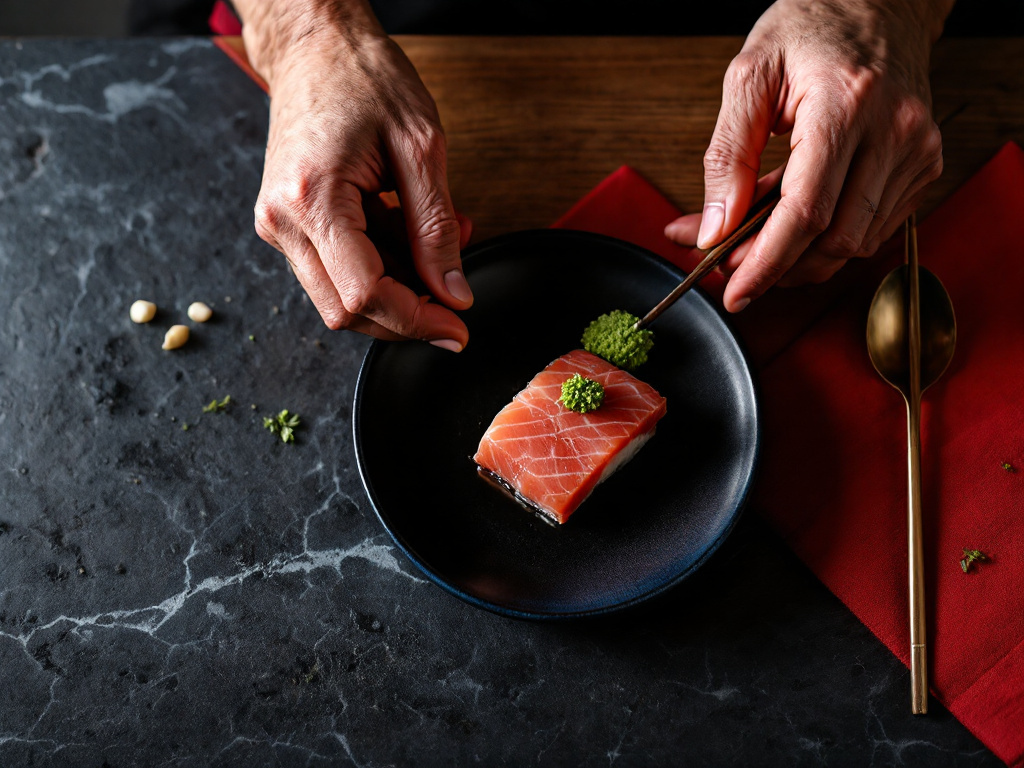
Premium omakase prices in Bangkok in 2026 range from roughly THB 3,000 at entry-level counters to THB 10,000+ at top-tier sushi-ya. Tenko Omakase charges THB 7,500 net for 16 courses, while Taraba Prime offers omakase-style premium seafood plus live Taraba king crab on Sukhumvit Soi 20 at.
Price table: restaurant, courses, price per person, nearest BTS
| Restaurant | Style / Courses | Price per person (2026) | Nearest BTS/MRT |
|---|---|---|---|
| Taraba Prime | Omakase-style premium seafood, live Taraba king crab, Miyazaki A5 wagyu | BTS Asok — 5-min walk (Sukhumvit Soi 20) | |
| Tenko Omakase | 16-course premium omakase | THB 7,500 net | |
| Sushi Ichizu | Counter omakase | ||
| Sushi Masato | Counter omakase |
Watch out: several widely shared "best omakase Bangkok" lists still circulate 2019 prices. Menus, import costs, and exchange rates have all moved since then — confirm the current price with the restaurant before you commit.
What's usually included (and what costs extra: sake pairing, supplements)
A quoted omakase price in Bangkok normally covers the full course progression, tea, and a small dessert. Budget separately for these four items:
- Sake or wine pairing — priced on top of the set at most premium counters.
- Supplements — extra pieces of uni, otoro, or seasonal specials ordered beyond the set.
- Live seafood upgrades — live Taraba king crab is typically priced by weight, separate from any base set.
- Net vs ++ — "net" prices (like Tenko's THB 7,500) are final; "++" prices add a 10% service charge plus 7% VAT on top.
Value picks vs splurge picks near BTS Asok
For diners staying near BTS Asok, the practical split is simple. If you want the classic silent-counter ritual of 16–20 pieces, a dedicated sushi-ya in the THB 5,000–10,000 range is the splurge. If you want premium Japanese seafood with flexibility — a shareable live Taraba king crab, Miyazaki A5 wagyu, and dry-aged sushi and omakase sets near BTS Asok in a single sitting — Taraba Prime covers all three without locking your table into one fixed course.
Where to Eat Live King Crab in Bangkok: Taraba Prime's One Crab, Three Ways
Live king crab in Bangkok is the specialty of Taraba Prime on Sukhumvit Soi 20, a 5-minute walk from BTS Asok, where one live crab is served three ways: leg sashimi, grilled steak, and nabe hot pot. The crab stays live in the tank until you order, guaranteeing a sweetness and texture frozen crab cannot match.
Taraba king crab is the giant red king crab from the cold waters between Japan and Alaska, prized for dense, sweet leg meat and traditionally served live — as sashimi, grilled steak, and hot pot. This is a real gap in Bangkok's dining scene: most "king crab restaurant Bangkok" results point to buffets or frozen-leg steakhouses, and almost none pair live crab with omakase-grade seafood in one venue.
Step-by-step: how one live Taraba king crab becomes sashimi, steak, and nabe
- The crab is selected live from the tank, weighed in front of you, and prepared only after you confirm — the moment that separates live from frozen.
- The freshest leg meat becomes sashimi. Raw Taraba king crab flesh "blooms" into a flower shape when chilled, with a clean natural sweetness only possible from a crab prepared minutes earlier.
- The thicker legs are grilled as steak, concentrating the sweetness and adding a light char while the meat stays juicy inside the shell.
- The body, knuckles, and remaining legs go into nabe (hot pot), where the shell releases its flavor into the broth — finish with rice or noodles for the classic Japanese ending.
Ordering tip: ask staff to portion one crab across all three preparations instead of picking one. Prepared this way, one crab comfortably feeds a small group and you taste the full range of textures. Current weights and pricing are on the live Taraba king crab menu at Taraba Prime.
Live vs frozen king crab: why it changes the taste
Live Taraba king crab keeps its natural sweetness because the meat's amino acids and moisture are intact at the moment of cooking. Frozen king crab is almost always pre-boiled and brined before freezing, which firms the texture, adds saltiness, and flattens the delicate sweetness — and it can never be served as sashimi.
The honest trade-off: live crab costs more per kilogram than frozen. But if crab is the centerpiece of your meal, the sashimi course alone justifies the difference — frozen crab simply cannot produce that dish at any price.
Best season and how to order king crab at Taraba Prime
To order live Taraba king crab at Taraba Prime, reserve ahead by phone at 094-456-1124 or via LINE @tarabaprime and pre-request the crab, because live stock is limited by each shipment from Japan. Walk-ins risk finding the tank sold out on busy evenings, especially weekends.
Miyazaki A5 Wagyu in Bangkok: Sukiyaki, Steak, or Sushi — How to Order It Right
Miyazaki A5 wagyu in Bangkok is served four main ways — slow-seared steak, sukiyaki, shabu shabu, and aburi sushi. Because A5 fat melts at low temperature, chefs sear it slowly to render the marbling; diners who prefer fully cooked beef should order sukiyaki or shabu shabu rather than forcing a well-done steak.
Miyazaki A5 wagyu is beef from Miyazaki Prefecture, Japan, graded at the top of Japan's official system: A for the highest yield grade and 5 for the highest quality score. Miyazaki cattle are grain-fed, producing exceptionally fine marbling — the web of intramuscular fat that makes the "how do you want your steak" logic break down entirely with this beef.
Comparison table: ribeye steak vs sirloin vs sukiyaki vs shabu shabu vs aburi sushi
| Preparation | Texture | Doneness | Best for |
|---|---|---|---|
| Ribeye steak (portion cut) | Rich, buttery, heavily marbled | Medium rare, slow-seared | Maximum fat flavor |
| Sirloin, seared | Slightly firmer, cleaner beef taste | Medium rare to medium | First-time A5 eaters |
| Sukiyaki | Thin slices in sweet soy broth | Fully cooked, stays tender | Anyone who avoids pink beef |
| Shabu shabu | Thin slices in light dashi | Fully cooked in seconds | Lighter palates, groups |
| Aburi sushi | Torch-seared over rice | Rare surface sear | One-bite luxury in omakase |
— check current Miyazaki A5 wagyu dishes on Sukhumvit 20 before booking, since portion-cut pricing tracks import costs.
Can you order A5 wagyu medium well? What chefs recommend instead
You can order Miyazaki A5 wagyu medium well, but chefs at serious Japanese restaurants will steer you away from it as steak — cooking A5 past medium renders out the marbling you paid for, leaving dry, ordinary-tasting beef at a premium price. It is the single most common ordering mistake among first-time A5 diners.
The better move: order A5 wagyu sukiyaki or shabu shabu. The paper-thin slices cook through completely in the broth — no pink at all — while the fine marbling keeps every bite tender. Fully cooked beef, nothing sacrificed.
Why slow searing renders A5 fat better than high-heat grilling
Slow searing suits Miyazaki A5 wagyu because its fat begins melting at noticeably lower temperatures than regular beef fat. A gentle sear gives the marbling time to render evenly, basting the meat from inside. High-heat grilling chars the surface before the interior fat melts, so you taste smoke and crust instead of the signature buttery sweetness — which is why good Bangkok kitchens serve A5 sirloin slowly seared, sliced, and plated immediately.
Best Premium Sushi & Japanese Restaurants Near BTS Asok and Sukhumvit 20
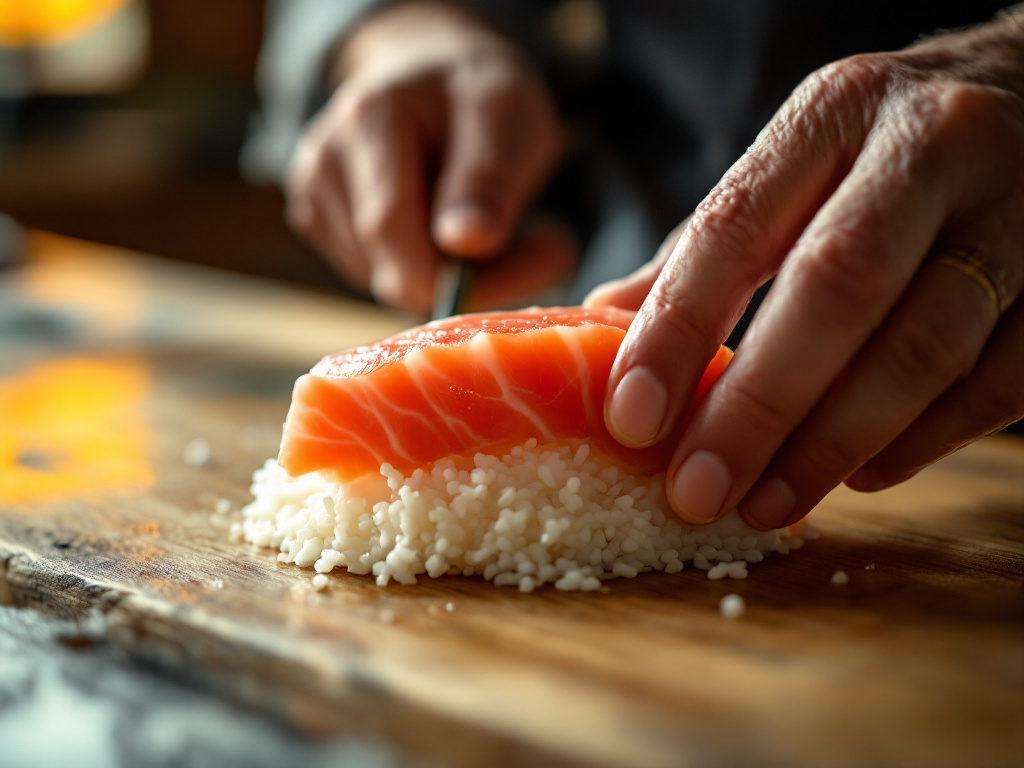
The best premium Japanese restaurant near BTS Asok for seafood-first dining is Taraba Prime on Sukhumvit Soi 20, a 5-minute walk from the station. It serves dry-aged sushi sets, uni, otoro, chirashi, and foie gras unagi don alongside its signature live Taraba king crab, with the Asok–Sukhumvit zone doubling as central Bangkok's most transit-convenient dining hub.
Exact walking route from BTS Asok to Taraba Prime on Sukhumvit Soi 20
From BTS Asok, exit toward Sukhumvit Road on the even-soi side, walk along the main road past the Soi 16–18 blocks, then turn into Sukhumvit Soi 20 — about 5 minutes on foot in total. Arriving by subway, MRT Sukhumvit connects directly to BTS Asok, so the walk is essentially identical.
Signature dishes to try: dry-aged sushi set, foie gras unagi don, uni & otoro
Beyond live Taraba king crab and Miyazaki A5 wagyu, five dishes define Taraba Prime's kitchen:
- Dry-aged sushi set — dry-aged sushi uses fish aged for several days under controlled temperature and humidity, concentrating umami and deepening texture beyond fresh-cut fish. Few Bangkok restaurants offer aged fish at all.
- Foie gras unagi don — grilled eel and seared foie gras over rice, the richest single bowl on the menu; see the foie gras unagi don and chirashi signatures.
- Uni and otoro — sea urchin and fatty tuna belly, flown in from Japan and the truest test of any restaurant's sourcing.
- Chirashi and sashimi platters — the flexible pick for groups who want variety without a fixed course.
- Sukiyaki and shabu shabu — the fully cooked route for Miyazaki A5 wagyu.
Why Sukhumvit beats other zones for tourists (hotels, BTS/MRT interchange)
The Asok intersection is the only point in Bangkok where the BTS Sukhumvit line meets the MRT Blue Line, surrounded by the city's densest cluster of international hotels. For a visitor, that means no taxi negotiation, no traffic risk before a timed omakase seating, and an easy walk back after dinner. Sathorn and Thonglor have excellent restaurants too — but neither matches Asok's transit convenience when your dinner starts on a schedule.
A Foreign Visitor's Guide: Booking Premium Japanese Dining in Bangkok
Foreign visitors can book Taraba Prime by calling 094-456-1124 or messaging LINE @tarabaprime, with a trilingual Thai/English/Japanese menu available on-site. Booking 1–3 days ahead is recommended for dinner, and live Taraba king crab can be pre-reserved to guarantee availability.
Booking checklist: LINE, phone, how far ahead, group size, pre-ordering king crab
- Add LINE @tarabaprime — LINE is Thailand's default messaging app and the easiest channel for English-speaking visitors; here is how to reserve Taraba Prime via LINE.
- Call 094-456-1124 if you prefer speaking with staff or need a same-day table.
- Book 1–3 days ahead for dinner, earlier for weekends or larger groups.
- Pre-order live Taraba king crab when you book — live stock depends on shipments and can sell out on busy nights.
- State dietary needs upfront — no-raw-fish, allergy, or pregnancy-safe requests are far easier to handle with notice.
Language, payment, and dietary requests (no raw fish? pregnant-friendly options?)
The menu at Taraba Prime is printed in Thai, English, and Japanese, so ordering needs no translator. Diners who avoid raw fish still eat well here: grilled Taraba king crab steak, nabe hot pot, Miyazaki A5 wagyu sukiyaki, and foie gras unagi don are all fully cooked.
Blue by Alain Ducasse and other fine dining: when to pick Japanese seafood instead
Bangkok fine dining includes world-class French venues like Blue by Alain Ducasse, and they deserve a night of your trip. Pick Japanese seafood instead when your priority is ingredient-first eating — live crab, daily-flight fish, A5 beef — over technique-driven plating. Practically, a premium Japanese meal near BTS Asok is also easier to book on short notice and simpler to reach from Sukhumvit hotels than riverside tasting menus.
Common Mistakes to Avoid When Choosing a Premium Omakase in Bangkok
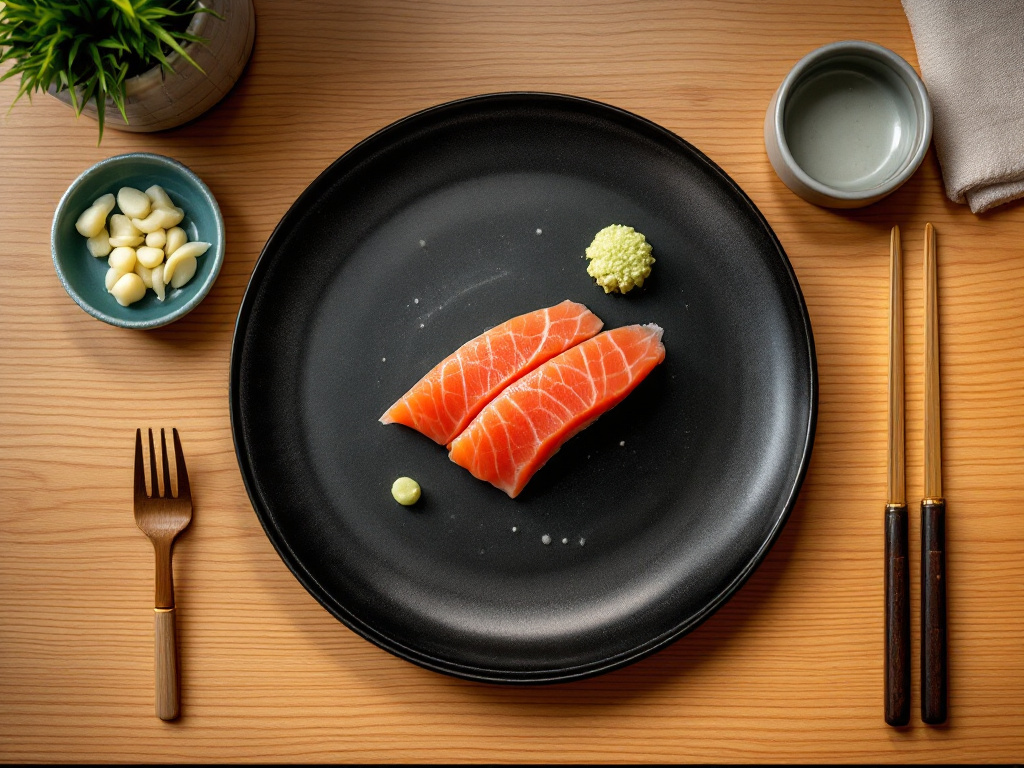
The most common premium omakase mistakes in Bangkok are booking on price alone without checking ingredient sourcing, walking in without a reservation, ordering Miyazaki A5 wagyu well-done as steak, and settling for frozen crab when live Taraba king crab is available a short walk from BTS Asok. All four are avoidable with a few minutes of checking.
Mistake 1: judging premium by price tag instead of daily Japan imports
A THB 6,000 bill does not guarantee Japan-direct fish. The reliable filter is two questions asked before booking: which days do shipments arrive from Japan, and is the crab kept live on-site. Restaurants with genuine imports answer immediately and specifically. Evasive answers usually mean frozen or local stock behind a premium price tag.
Mistake 2: no reservation for counter seats or live king crab
Premium counters seat only a limited number of guests per round, and live crab stock is capped by each shipment. Walking in on a Friday night is the fastest route to a long wait or an empty tank. Book 1–3 days ahead for dinner and pre-order the crab when you reserve.
Mistake 3: forcing well-done on A5 wagyu instead of choosing sukiyaki/shabu
Cooking Miyazaki A5 wagyu steak to well-done renders out the marbling and leaves dry, ordinary-tasting beef at a premium price. If you dislike pink meat, order sukiyaki or shabu shabu instead — thin slices cook through fully while staying tender, so you keep everything the A5 grade stands for.
Mistake 4: outdated listicles — checking 2019 prices in 2026
Several widely shared "best omakase Bangkok" lists were written around 2019 and never updated. Import costs, exchange rates, and menus have all shifted since, so a restaurant once listed at THB 3,500 may now charge substantially more. Verify the current 2026 price directly — a one-minute LINE message beats a budget surprise at the counter.
Frequently Asked Questions About Premium Omakase & Japanese Seafood in Bangkok
These are the questions travelers ask most before booking premium omakase or Japanese seafood in Bangkok in 2026 — covering per-person prices, live Taraba king crab availability, Miyazaki A5 wagyu doneness, locations near BTS Asok, and how to reserve at Taraba Prime by phone or LINE.
How much does premium omakase cost in Bangkok in 2026?
Premium omakase in Bangkok costs roughly THB 3,000–10,000+ per person in 2026. As a benchmark, Tenko Omakase's 16-course premium menu is THB 7,500 net per person. For Taraba Prime's current set pricing on Sukhumvit Soi 20, confirm directly via LINE @tarabaprime, since older lists cite outdated figures.
Where can I eat live king crab in Bangkok?
Taraba Prime on Sukhumvit Soi 20, a 5-minute walk from BTS Asok, specializes in live Taraba king crab served three ways from one crab: leg sashimi, grilled steak, and nabe hot pot. Reserving ahead via LINE @tarabaprime or phone 094-456-1124 is recommended to guarantee crab availability on the night you visit.
Can I order Miyazaki A5 wagyu medium well?
Miyazaki A5 wagyu is best slowly seared to render its fine marbling, so most chefs advise against well-done steak — the fat you paid for melts away. Diners who prefer fully cooked beef should order A5 wagyu sukiyaki or shabu shabu, where thin slices cook through completely while staying tender and rich.
What is the best Japanese restaurant near BTS Asok?
Taraba Prime is a premium Japanese seafood restaurant on Sukhumvit Soi 20, about a 5-minute walk from BTS Asok. It serves live Taraba king crab, Miyazaki A5 wagyu, dry-aged sushi sets, uni, otoro, and foie gras unagi don, with a menu printed in Thai, English, and Japanese for foreign visitors.
Is the seafood at premium Japanese restaurants in Bangkok really flown in from Japan?
Top-tier Bangkok restaurants import seafood from Japan on daily or near-daily flights; Taraba Prime flies in sushi and sashimi ingredients from Japan daily. Diners can verify freshness by asking which days shipments arrive, checking uni packaging origin, and confirming the crab is kept live on-site rather than frozen.
How do I book Taraba Prime as a foreign visitor?
Foreign visitors can book Taraba Prime by phone at 094-456-1124 or via LINE @tarabaprime. Staff handle English bookings, the menu is available in Thai, English, and Japanese, and booking 1–3 days ahead is advised for dinner or live Taraba king crab. Confirm current opening hours when reserving.
What is the difference between omakase and a regular sushi set?
Omakase is a chef-led multi-course experience where the menu changes daily based on the best available ingredients, while a sushi set is a fixed selection served all at once. Omakase typically includes 12–20 courses served piece by piece, often at a counter facing the chef who explains each item.
Is Sukhumvit 20 a good area for high-end Japanese food?
Sukhumvit Soi 20 sits in central Bangkok's dining hub, a 5-minute walk from BTS Asok and near the MRT Sukhumvit interchange, surrounded by major international hotels. Taraba Prime anchors the soi's premium Japanese options with live Taraba king crab, Miyazaki A5 wagyu, and dry-aged sushi — all reachable without a taxi.