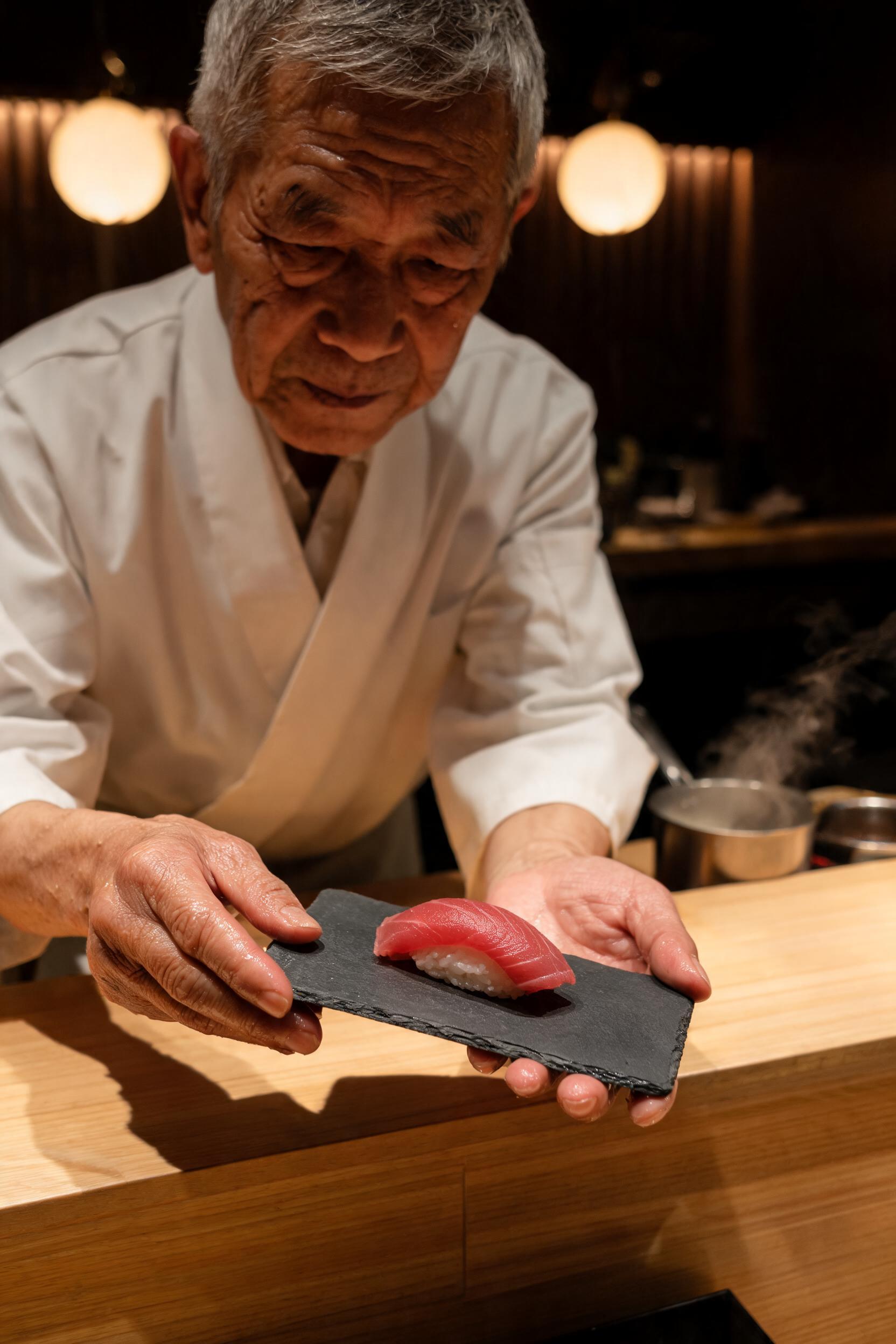
The best sushi on Sukhumvit 20 is served at Taraba Prime, a premium Japanese seafood restaurant on Sukhumvit Soi 20, a 5-minute walk from BTS Asok. Taraba Prime pairs sushi and sashimi flown in from Japan daily with live Taraba king crab prepared 3 ways, Miyazaki A5 wagyu, a trilingual TH/EN/JP menu, and easy reservations via LINE @tarabaprime or 094-456-1124. (Guide updated for 2026.)
- Taraba Prime is a premium Japanese seafood restaurant on Sukhumvit Soi 20, located a 5-minute walk from BTS Asok station in central Bangkok.
- The signature live Taraba king crab is prepared 3 ways from a single crab: sashimi, charcoal-grilled steak, and kani nabe hotpot — the crab stays alive in the tank until you order.
- Beyond crab, the menu covers Miyazaki A5 wagyu, uni, otoro, dry-aged sushi sets, foie gras unagi don, and chirashi don, all built on seafood flown in from Japan daily.
- Reservations: call 094-456-1124 or message LINE @tarabaprime — both channels work in English.
Best Sushi on Sukhumvit 20: Why This Small Soi Punches Above Its Weight
The best sushi on Sukhumvit 20 combines three things most Bangkok tourist strips can't: Japan-flown fish delivered daily, skilled knife work, and genuine walkability — Sukhumvit Soi 20 sits just a 5-minute walk from BTS Asok, one of the city's busiest transit hubs, yet feels calmer and more honest than the main-road sushi shops.
Most English-language guides treat Sukhumvit as one giant food zone. That misses the point. Soi 20 has no touts and no inflated "tourist menus." Japanese restaurants operate along this short stretch, and quality per baht here consistently beats the flashier sois nearby.
What makes Sukhumvit Soi 20 different from the touristy sushi strips
Sukhumvit Soi 20 serves Bangkok's Japanese expat community first, walk-by tourists second — and that changes everything. Pricing is transparent, fish sourcing matters, and chefs cook for regulars who know farmed salmon rolls from genuine otoro flown in from Japan. Any restaurant on this soi that cuts corners loses its core customers within a week.
Who this guide is for: travelers and expats staying near Asok
This guide is for foreign travelers and expats staying in the Asok–Sukhumvit hotel zone with a budget of roughly 1,500–5,000+ THB per person, who want authentic Japanese fine dining without a taxi ride across town. Every option below is walkable from BTS Asok, with English-menu availability and reservation channels flagged — the two details Thai-language lists never mention.
Taraba Prime: The Premium Japanese Seafood Restaurant on Sukhumvit Soi 20
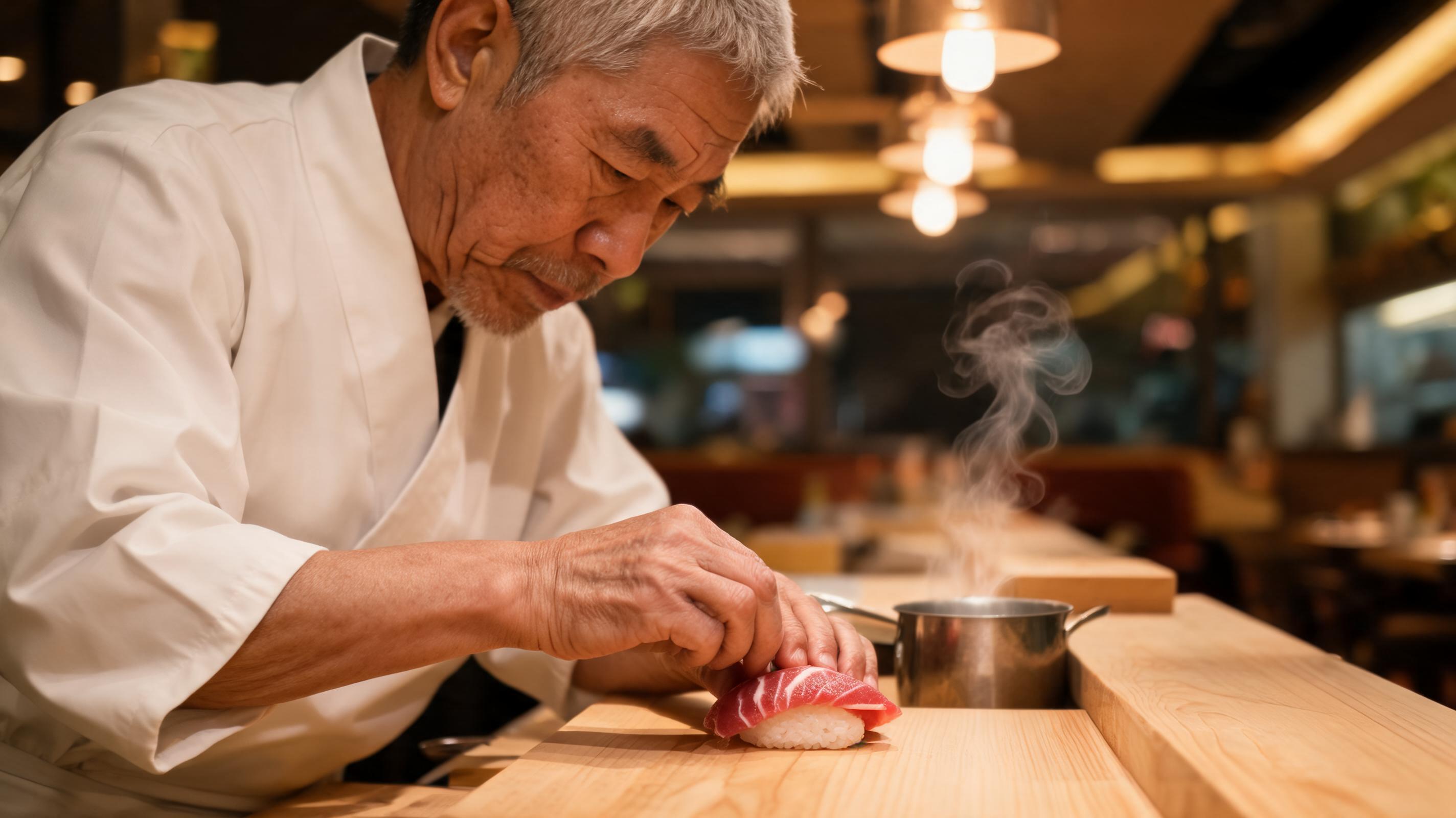
Taraba Prime is a premium Japanese seafood restaurant on Sukhumvit Soi 20, Bangkok, specializing in live Taraba king crab, fresh lobster, and sushi and sashimi flown in from Japan daily. The restaurant serves diners seeking authentic high-end Japanese fine dining, with a trilingual TH/EN/JP menu and staff experienced with foreign guests.
What separates Taraba Prime from the mid-range izakaya crowd is focus: this is a seafood house first, sushi bar second. Live tanks hold king crab and lobster until the moment you order. That's freshness you verify with your own eyes — not something you take on faith from a menu photo. You can preview the day's arrivals and dishes on Taraba Prime's Instagram before deciding.
Daily air-flown seafood: how to tell the fish really comes from Japan
Daily air-flown seafood leaves a verifiable trail, and Taraba Prime's Japan shipments follow the pattern trustworthy restaurants share: named sourcing, menus that change with the morning's delivery, and visible live tanks. Use these four checks at any Bangkok restaurant claiming "flown from Japan":
- Ask where today's fish landed from. A serious restaurant names a specific market or prefecture, not a vague "from Japan."
- Look for daily variation. Air-flown menus shift with what arrived that morning; frozen-supply menus never change.
- Check seasonality. Uni and otoro have peak months. A restaurant pushing "premium uni" year-round at one flat price is usually serving frozen stock.
- Live tanks are the strongest signal. A crab or lobster swimming in front of you cannot be faked.
Trilingual menu and English-speaking service for foreign visitors
Taraba Prime provides its full menu in Thai, English, and Japanese, removing the biggest friction foreign diners face at authentic Japanese restaurants in Bangkok: ordering blind. Staff handle English requests for allergies, doneness, and course pacing, and the LINE @tarabaprime booking channel works in English — useful for confirming live king crab stock before you commit to the walk.
Tip: Ask the staff what arrived on that morning's flight, then order around it. That's how Japanese regulars eat here — and it's the fastest way to get the day's best plate.
Where to Eat the Best King Crab in Bangkok? Live Taraba Crab, 3 Ways
The best king crab in Bangkok comes from restaurants that keep the crab alive in the tank until you order — not defrosted legs from a supplier. Taraba Prime on Sukhumvit Soi 20, a 5-minute walk from BTS Asok, serves live Taraba king crab three ways: raw sashimi, charcoal-grilled steak, and kani nabe hotpot, plus fresh lobster.
Taraba king crab is the red king crab — tarabagani in Japanese — a giant crab species from Alaska–Hokkaido waters, prized in premium Japanese restaurants and served live as sashimi, steak, or nabe hotpot. Live crab is priced by weight; is typical per table.
The smart move is one crab, three preparations, eaten kaiseki-style in this order — a progression no other Sukhumvit dining page explains:
- Start with sashimi while the crab is at its absolute freshest, so you taste the raw sweetness before anything touches heat.
- Move to the charcoal-grilled steak, which uses the meatier shoulder and claw sections while the sashimi legs are being prepared.
- Finish with kani nabe hotpot, which turns the remaining shell and trimmings into a rich broth — nothing from the crab is wasted.
Step 1 — King crab sashimi: sweet, translucent raw legs
King crab sashimi is raw leg meat served minutes after the crab leaves the tank — translucent, slightly firm, and naturally sweet in a way cooked crab never is. This dish only works with live crab; frozen legs lose the texture entirely, which is why king crab sashimi in Bangkok is genuinely rare. Try the first bite plain, before soy.
Step 2 — King crab steak: charcoal-grilled shoulder and claws
King crab steak takes the shoulder and claw sections — where the meat is densest — and grills them over charcoal until the edges char and the juices concentrate. The contrast with the raw legs is the whole point of the 3-way format: same crab, completely different flavor. This is the course first-timers remember most.
Step 3 — Kani nabe: hotpot finish with the remaining shell and stock
Kani nabe (king crab hotpot) closes the meal by simmering the remaining shell, knuckles, and trimmings into a broth with vegetables and tofu. Crab shell releases deep umami into the stock, so the final bowl often tastes richer than the crab meat itself. Ask staff to add rice and egg at the end for a zosui porridge finish — the traditional way to close a nabe.
Fresh lobster options for non-crab diners
Fresh lobster gives non-crab diners the same live-tank experience at Taraba Prime, prepared sashimi-style or grilled. If your group is split, the usual workaround is lobster plus a sushi set — the kitchen paces both to arrive together. Check the live Taraba king crab menu and prices before booking so the table can agree on weight and budget upfront.
Beyond Crab: A5 Wagyu, Uni, Otoro, and Dry-Aged Sushi Sets
Beyond king crab, Taraba Prime's menu covers Miyazaki A5 wagyu, uni (sea urchin) sushi, otoro fatty tuna, dry-aged sushi sets, foie gras unagi don, and chirashi don — all built on ingredients flown in from Japan daily rather than frozen imports. These are the dishes to order alongside the crab, or on a second visit.
The foie gras unagi don — seared foie gras over grilled eel and rice — and the loaded chirashi don are the two bowls repeat diners mention most. Both suit a solo lunch when a whole crab is overkill. For the full lineup, see the Miyazaki A5 wagyu and dry-aged sushi sets on the menu.
Miyazaki A5 wagyu: what the grade actually means
Miyazaki A5 wagyu is beef from Miyazaki Prefecture graded A5 — the highest score in Japan's official system, where "A" measures yield and "5" reflects the top BMS (Beef Marbling Standard) tiers for marbling, color, and texture. Miyazaki's reputation comes from its record in Japan's national wagyu competition. In practice: the fat melts near body temperature, so thin slices need only seconds of searing.
Uni and otoro: seasonal peaks worth timing
Otoro is the fattiest section of bluefin tuna belly — the highest-grade, most expensive cut in any sushi restaurant — and uni is sea urchin roe, both of which taste noticeably better in their peak season. A restaurant flying seafood in daily can tell you exactly what's peaking this week — ask before ordering.
Dry-aged sushi: why aged fish tastes richer than fresh
Dry-aged sushi uses fish matured for several days under controlled temperature and humidity, breaking proteins down into amino acids and concentrating umami far beyond fresh fish. The trade-off is honest: aged fish loses the clean "just-caught" snap and gains depth and a denser bite. Order one piece of each side by side and decide for yourself.
Price & Experience Comparison: Japanese Restaurants Around Sukhumvit 20 and BTS Asok
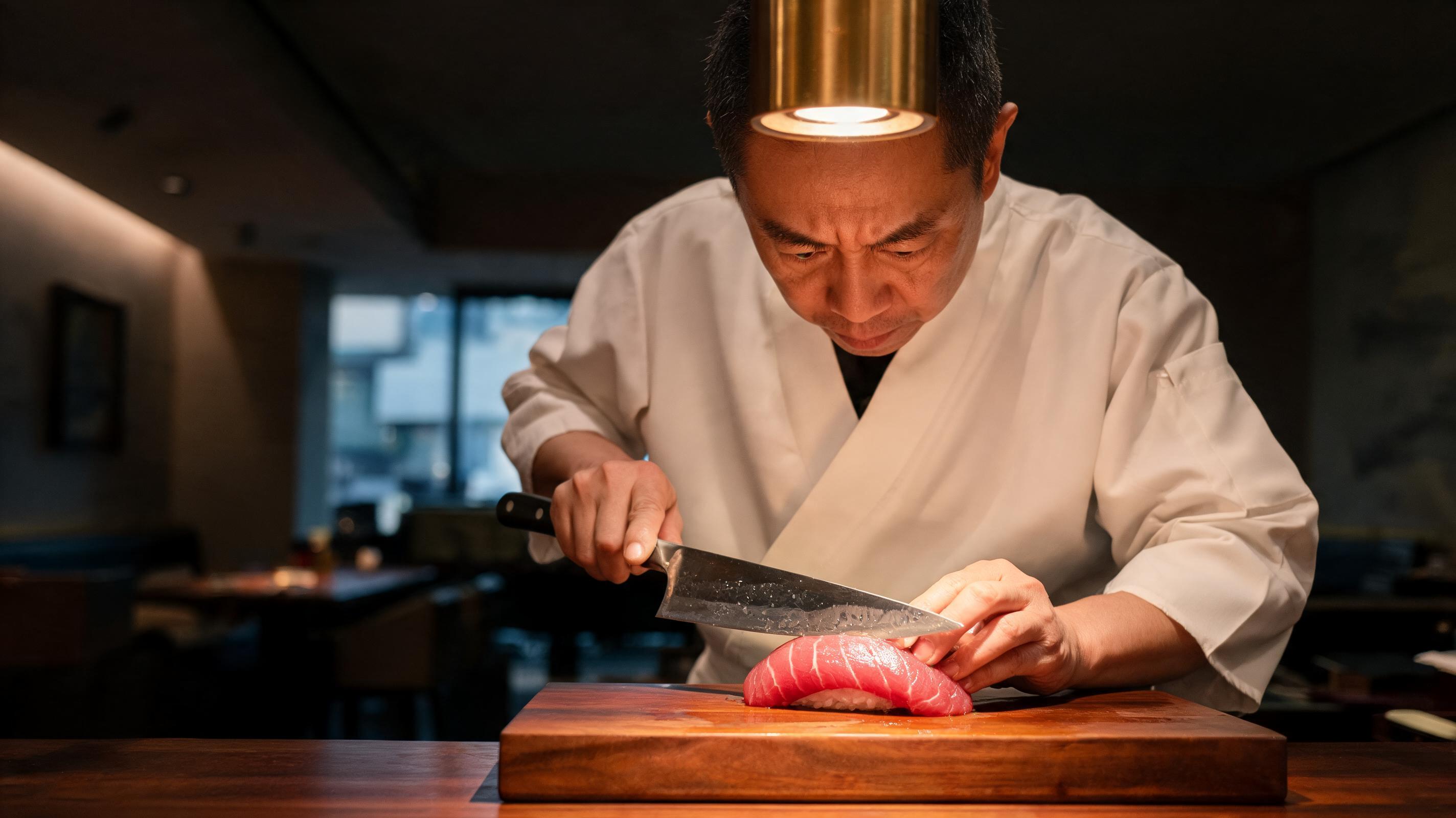
Japanese restaurants near BTS Asok span three tiers: casual sushi bars around 500–1,000 THB per person (price range based on Wongnai listings for the area), premium seafood houses like Taraba Prime, and omakase counters typically above 2,000 THB. The right choice depends on budget, live-seafood priority, and walking distance.
Omakase is a Japanese dining format where the chef selects and sequences your menu around the day's best ingredients — you don't order dish by dish; you trust the counter.
Comparison criteria: walk time, price per head, signature dish, English menu, booking
These five criteria reflect what foreign diners actually decide on — based on the questions we hear most from travelers staying near Asok — not star ratings or roll photos:
| Criteria | Casual sushi bar | Premium seafood house (Taraba Prime) | Omakase counter |
|---|---|---|---|
| Price per person | ~500–1,000 THB | Typically 2,000+ THB, fixed course | |
| Signature dish | Rolls, salmon sets | Live Taraba king crab 3 ways, A5 wagyu | Chef-curated nigiri sequence |
| English support | Varies, often photos only | Trilingual TH/EN/JP menu, English-speaking staff | Usually yes, counter seats only |
| Booking | Walk-in | Phone 094-456-1124 or LINE @tarabaprime | Advance booking required |
Casual sushi bar vs premium seafood house vs omakase counter
Casual sushi bars suit a quick solo meal; a strict omakase counter locks you into the chef's fixed sequence at a set price. Taraba Prime sits between the two in format but at the top in ingredients: you order à la carte or course-style, combining omakase-style flexibility with live-tank seafood no roll shop can offer. Groups and couples usually find this easier than a silent 12-seat counter.
When Taraba Prime is worth the premium (and when it isn't)
Taraba Prime is worth the premium when your table wants live king crab, Japan-flown sashimi, or Miyazaki A5 wagyu — dishes where ingredient cost is most of the price, and where cheaper restaurants quietly substitute frozen stock. It isn't the right pick for a 600-baht salmon-roll craving; a casual bar covers that fine. Be honest about which meal you're planning, then spend accordingly.
Quick summary: under 1,000 THB → casual bar · celebrating or crab-focused → Taraba Prime · fixed chef-led nigiri tasting → dedicated omakase counter.
How to Get There and Book: BTS Asok Walk, Phone, and LINE Reservation
Taraba Prime sits on Sukhumvit Soi 20, a 5-minute walk from BTS Asok station. Book by calling 094-456-1124 or messaging LINE @tarabaprime — strongly recommended for live king crab and omakase-style courses, because premium seafood arrives daily in limited quantities and can sell out before walk-ins are seated.
Step-by-step walking route from BTS Asok to Sukhumvit Soi 20
- Take the BTS to Asok station (interchange with MRT Sukhumvit if you're coming by subway).
- Walk along Sukhumvit Road to the entrance of Soi 20 — about 5 minutes on foot from the station.
- Turn into Sukhumvit Soi 20 and follow the soi to Taraba Prime; search "Taraba Prime" on Google Maps for turn-by-turn confirmation.
Full photo directions are in our guide on how to get to Sukhumvit Soi 20 from BTS Asok. Raining? A motorbike taxi from the soi entrance takes one minute and costs pocket change.
How to reserve via LINE @tarabaprime (works in English)
- Add @tarabaprime on LINE — include the @ when searching the ID.
- Send your date, time, and party size in English. Staff reply in English; no Thai needed.
- State special requests up front: live king crab (rough weight or budget), lobster, or an omakase-style course, so the kitchen reserves stock for your table.
- Get confirmation before you travel. is the safe lead time, since daily crab quantities are limited.
Prefer a human voice? Call 094-456-1124 directly. You can also message the restaurant through Taraba Prime on Instagram to see current dishes before you book — then keep your confirmation message to show on arrival.
Best times to visit
As a general Bangkok fine-dining pattern, weekday early dinners are quieter, while weekend evenings are peak — and the window where walk-ins most often miss out on live crab. Booking ahead makes the timing question irrelevant.
Common Mistakes to Avoid When Booking Premium Sushi or King Crab in Bangkok
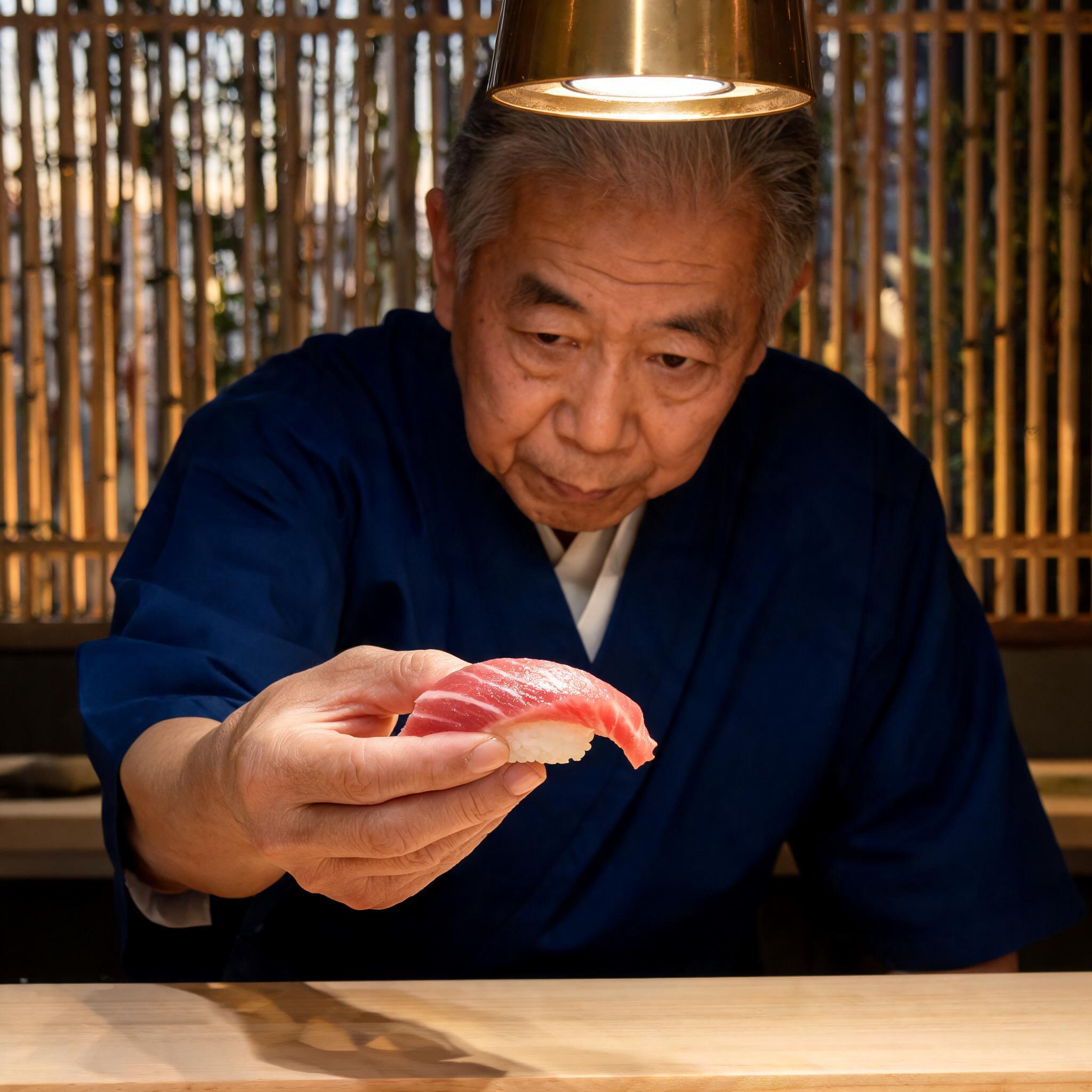
The most common mistakes foreign diners make in Bangkok are booking "king crab" restaurants that serve frozen legs instead of live crab, walking in without a reservation for limited daily seafood, and judging quality by roll photos and price alone rather than fish sourcing and seasonality. Every one of these is avoidable with a single question asked in advance.
- Mistake 1: Assuming all "king crab" is live — ask to see the tank. Frozen legs lose the sweet, translucent texture that makes king crab sashimi possible, yet many menus use identical "king crab" wording for both. separates the two — if a price looks too good for live crab, it almost certainly isn't. A restaurant with a real tank will happily show it.
- Mistake 2: Walking in on weekends without booking. Premium seafood is stocked in limited quantities each day. We regularly hear from travelers who arrived at 20:00 on a Saturday to find the crab sold out even with tables free. Message LINE @tarabaprime or call 094-456-1124 first — it takes two minutes.
- Mistake 3: Ordering uni or otoro out of season. Off-peak uni and otoro cost the same but taste noticeably flatter. Asking "what's in season this week?" is how experienced diners order — and it signals the restaurant should give you its honest recommendation.
- Mistake 4: Choosing by roll photos instead of fish sourcing. Pretty rolls prove nothing about where the fish came from. Daily Japan air-flights, named prefectures, and menus that change with the day's delivery do. One sourcing question tells you more than fifty food photos.
Watch out: "premium" is an unregulated word on Bangkok menus. Live tanks, named sourcing, and transparent per-weight pricing are the signals that actually mean something. Prices and availability change — always confirm directly with the restaurant before you go.
คำถามที่พบบ่อย (FAQ): Sushi and King Crab on Sukhumvit 20
This FAQ answers the most-searched questions about sushi and king crab dining on Sukhumvit Soi 20 — prices, reservations, and BTS access — and what makes Taraba Prime's live Taraba king crab and daily Japan-flown sushi different from typical Bangkok Japanese restaurants.
Where can I eat the best king crab in Bangkok?
Taraba Prime on Sukhumvit Soi 20 is one of the few Bangkok restaurants serving live Taraba king crab, prepared as sashimi, charcoal-grilled steak, or kani nabe hotpot from a single crab. The restaurant is a 5-minute walk from BTS Asok, and live crab is stocked in limited daily quantities, so book ahead.
Is there a good Japanese restaurant near BTS Asok?
Yes — Sukhumvit Soi 20, a 5-minute walk from BTS Asok, hosts several Japanese restaurants across price tiers. Taraba Prime is the premium seafood option on the soi, with sushi and sashimi flown in from Japan daily, live king crab and lobster tanks, and a trilingual TH/EN/JP menu built for foreign diners.
How much does live king crab cost at Taraba Prime?
— live Taraba king crab is priced by weight and stocked in limited daily quantities. Because supply runs out on busy nights, reserving via LINE @tarabaprime and confirming crab availability for your exact date is strongly recommended before traveling.
Does Taraba Prime serve omakase?
Taraba Prime offers omakase-style premium seafood dining, where the chef curates the day's best Japan-flown ingredients — uni, otoro, dry-aged sushi, and Miyazaki A5 wagyu — rather than a fixed printed set. Mention "omakase" when booking so the kitchen prepares that day's top stock.
How do I make a reservation at Taraba Prime?
Reserve at Taraba Prime by calling 094-456-1124 or messaging LINE @tarabaprime; both channels handle English-speaking guests. Book ahead for live king crab, omakase-style courses, and weekend dinners, since premium seafood arrives daily in limited quantities. Keep the LINE confirmation message to show staff on arrival.
What is dry-aged sushi and is it safe to eat?
Dry-aged sushi uses fish matured for several days under controlled temperature and humidity to concentrate umami and deepen texture beyond fresh fish. The technique is a recognized practice in high-end Japanese restaurants worldwide and is safe when handled by trained chefs — the aging happens in monitored refrigeration, not open air.
Does Taraba Prime have an English menu?
Yes, Taraba Prime provides a trilingual menu in Thai, English, and Japanese, and staff handle English requests for allergies, doneness, and course pacing. That makes it one of the most foreigner-friendly fine dining options on Sukhumvit Soi 20, where many smaller Japanese restaurants still use Thai-Japanese menus only.
Is Miyazaki A5 wagyu available at Taraba Prime?
Yes, Taraba Prime serves Miyazaki A5 wagyu — beef from Miyazaki Prefecture carrying Japan's highest grade for marbling, color, and texture — alongside its live seafood and sushi menu. Ask staff for the day's recommended cut when ordering.